
Start with today’s task, not yesterday’s kit
A familiar shift can still bring unfamiliar hazards. Before getting dressed for work, check what the task involves: flying particles, chemical splash, noise, traffic or another exposure. Confirm the protection selected for that task with the site’s assessment and instructions. A generic checklist is a starting point, not proof that every hazard is covered.
Look, feel, check
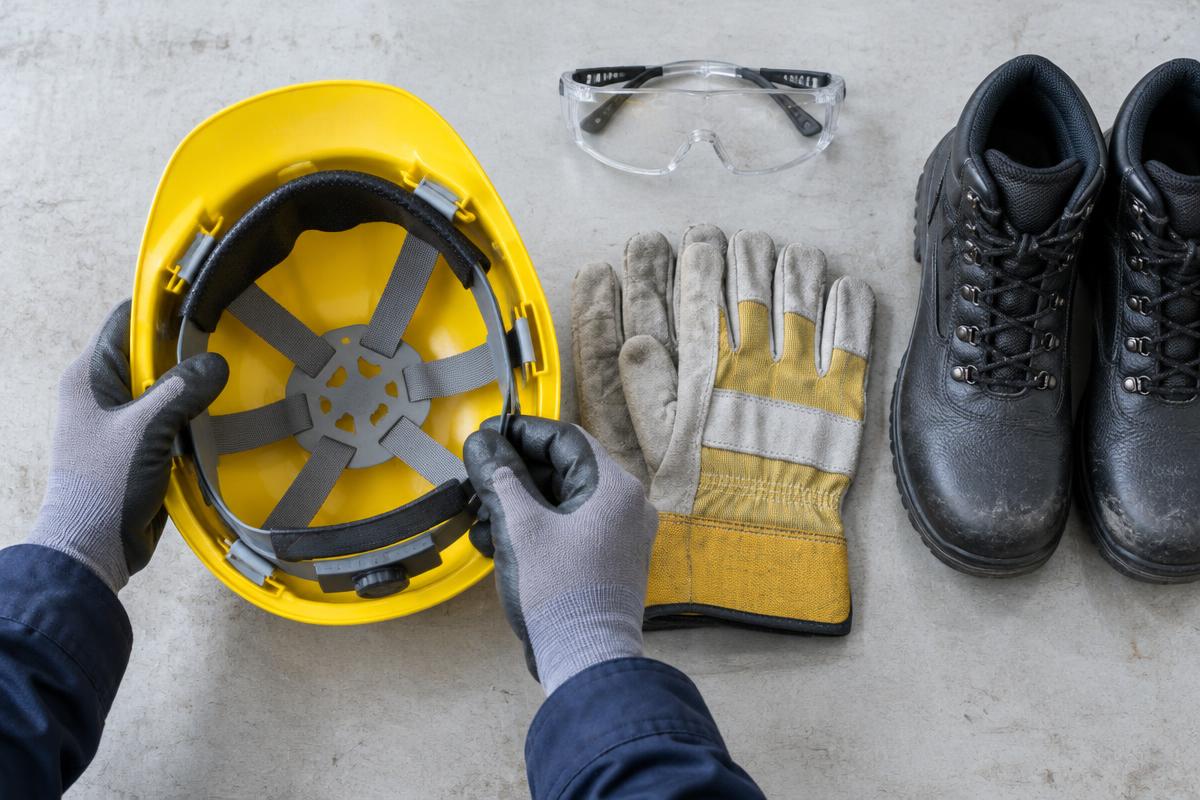
Inspect the equipment for visible damage, wear, contamination and missing parts. Look at helmet shells and suspensions, scratched or cracked eyewear, torn gloves and worn footwear. Follow the manufacturer’s inspection guidance for each item; not every defect is obvious from a quick glance. Check that fasteners and adjustments function as intended.
Try the whole combination
Put on the equipment together. Does it fit securely? Does one item disturb another? Eyewear and helmet attachments can affect other protection, so check the complete combination rather than each item in isolation. Never modify PPE to make an awkward combination fit unless the manufacturer specifically permits it.
A defect is a decision, not a delay
Report damaged or missing PPE and arrange suitable replacement before relying on it for protection. Do not tape over a crack or improvise a repair. Clean and store reusable equipment as instructed, keep a record of replacements where your programme requires one, and make reporting easy. A good pre-shift conversation ends with usable equipment, not just a tick on a form.