Myth 1: PPE makes the hazard disappear
PPE provides a barrier between a worker and a hazard; it does not remove the hazard itself. Start with the hierarchy of controls: can the hazard be eliminated, replaced with a safer alternative or reduced through engineering controls? Work procedures and suitable PPE may still be needed, but issuing equipment should not end the assessment.
Myth 2: More equipment always means more protection
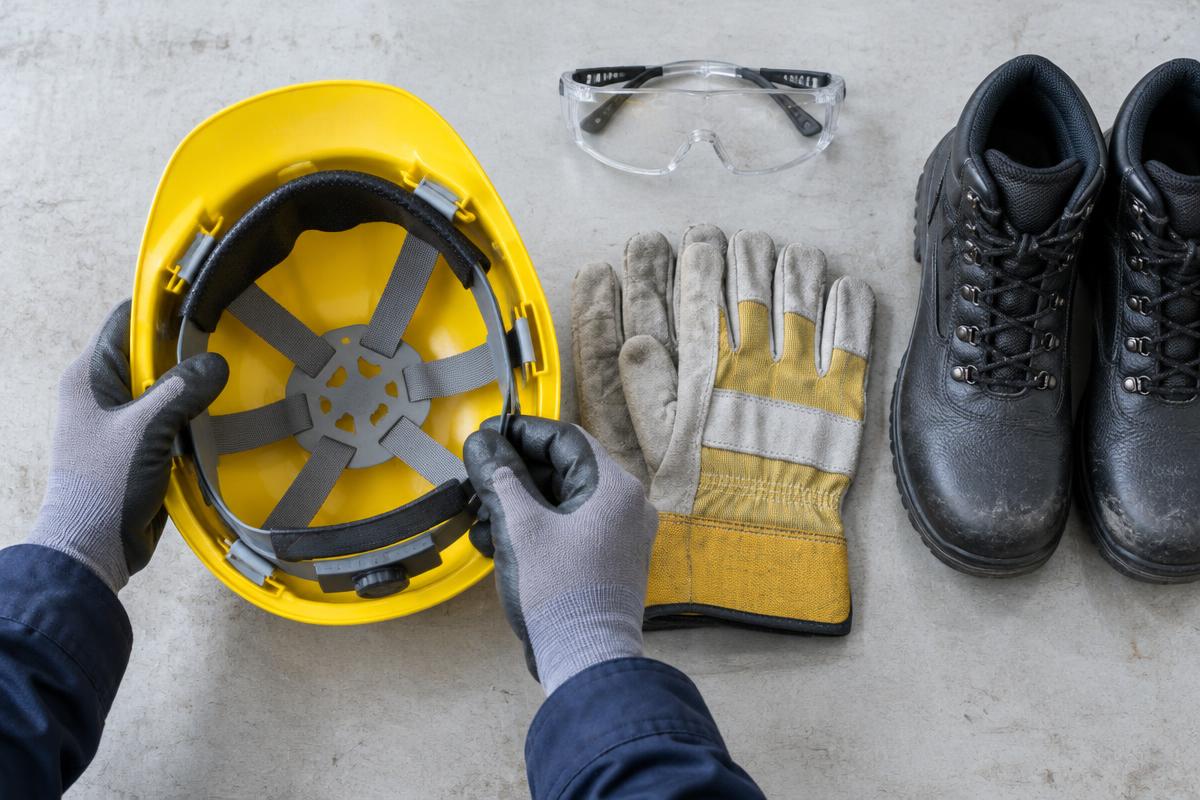
An extra item is useful only if it is appropriate and works with the rest of the kit. Poorly matched combinations can interfere with fit or performance. Choose equipment for the assessed hazards, check compatibility and follow manufacturer instructions. The goal is effective protection, not the longest equipment list.
Myth 3: If it looks right, it is right
Appearance cannot establish a product’s protective capability. Similar-looking gloves, footwear or eyewear can have different limits. Check the documented specification against the actual task and exposure. Ask for the manufacturer’s information and do not infer chemical, flame or electrical protection from a colour, shape or product photo.
Myth 4: Handing out PPE finishes the job
Workers need to understand when equipment is needed, how to use it, its limitations and how to inspect and care for it. Fit and condition matter after purchase as much as before. Combine suitable equipment with effective controls, training and maintenance, and review the whole arrangement when tasks change. Protection is a working system, not a one-time handover.