
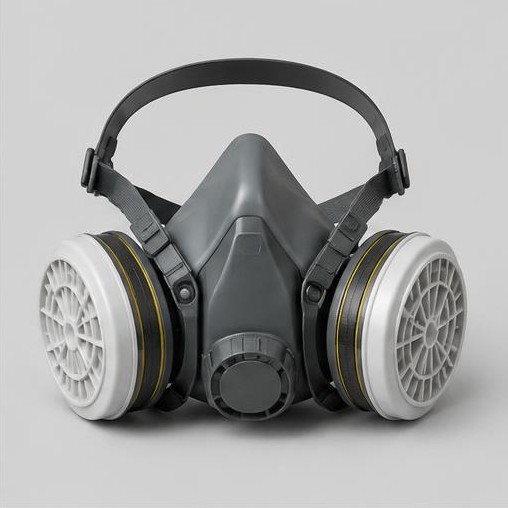
Identify the airborne hazard
Determine the substance, exposure level and task before selecting respiratory protective equipment. Particle filters and gas or vapour cartridges are not interchangeable. Selection requires competent assessment and the manufacturer’s instructions.
A good seal matters
Tight-fitting respirators rely on a seal against the face. Fit testing is needed for tight-fitting facepieces, and facial hair in the sealing area can interfere with the seal. A wearer seal check each time the equipment is put on does not replace a fit test.
Know the limitations
Filtering respirators do not supply oxygen and must not be used in oxygen-deficient atmospheres. Dangerous or unknown atmospheres require specialist assessment and suitable equipment. Do not enter an unsafe area based on a mask or cartridge label alone.
Care for filters and equipment
Follow the specified cleaning, storage, inspection and filter-change programme. Train users to recognise faults and limitations. Ask for documented specifications when ordering, rather than assuming every mask or filter provides the same protection.